 The Deli
Paper
The Deli
Paper
Sorry, but nothing matched your search terms. Please try again with some different keywords.
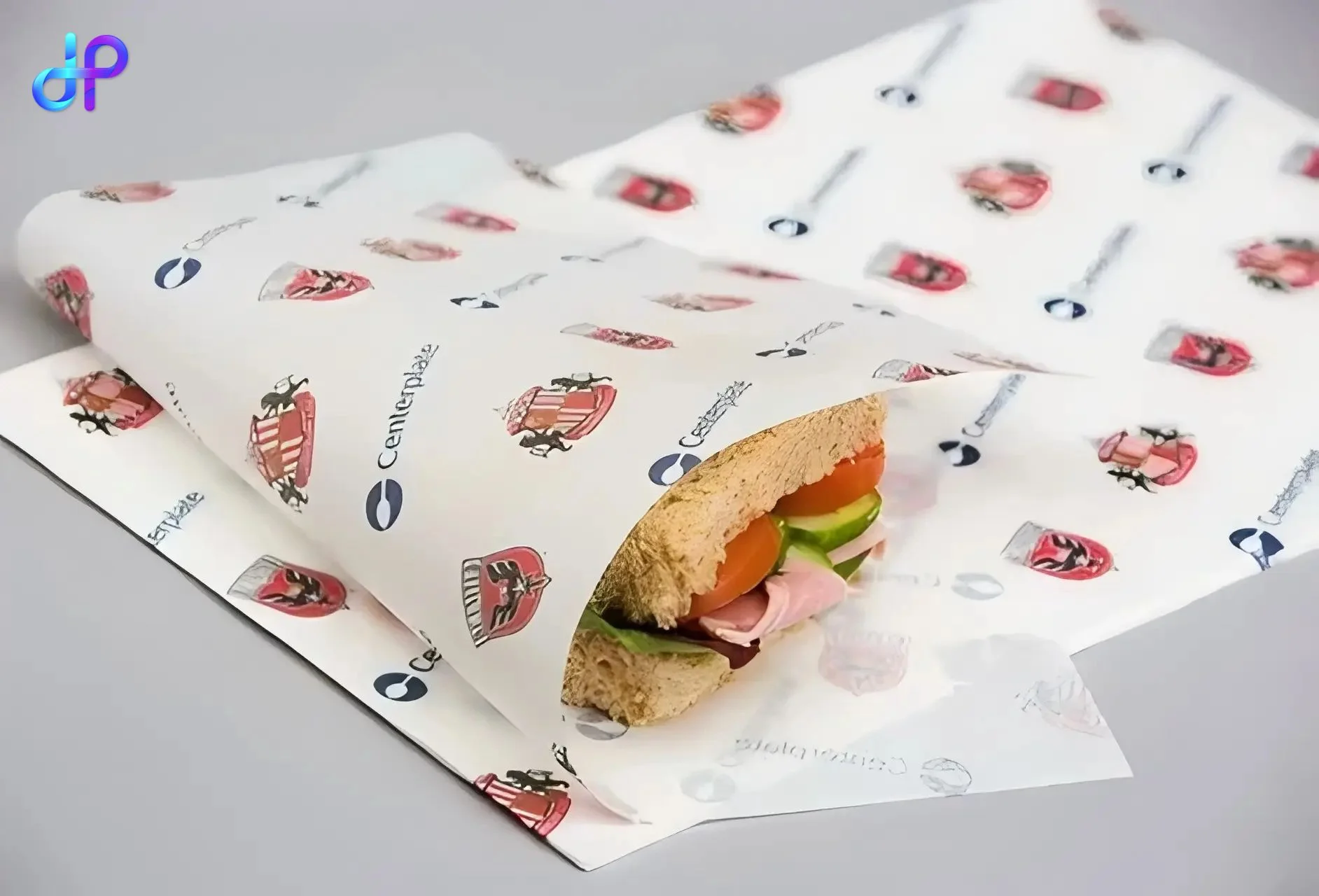
A restaurant kitchen runs wrapping paper a hundred times in one shift, and no one even considers it until one day, when one of the bad batches has gone bad halfway through the rush and has become a mess that nobody has time to clean up. Getting Food Wrapping Paper is not a glamorous supply decision, but it is among a handful of supply decisions that almost every order that a restaurant delivers to the door touches.
The bulk of the sourcing efforts by most restaurant owners focus on food items, gear, and personnel, with packaging being an incidental cost that simply has to be there. That method is fine, until sales volume grows, the orders to be delivered build up, or a delivery consignment of some inexpensive paper begins to go wrong in the very hours when a kitchen can least spare it.
Restaurant Wrapping Paper lies at the junction of functionality and branding. It keeps food safe in handling and delivery, and it is also one of the few physical things that a customer physically comes into contact with, outside the restaurant, when it comes to a takeaway or delivery order. It is worth treating as a strategic supply decision and less as an afterthought because it will be less complained of and more easily branded over time.
Free Custom Wrap Paper Quote:
Not all suppliers test their paper in the same manner, and that loophole will always be reflected at the worst time possible. It can be beneficial to know what does and does not make a difference between reliable Food Packaging Paper and inventory that may appear to be okay in a sample, but may not hold up under actual kitchen conditions.
| Quality Factor | What to Look For? | Why It Matters? |
| Grease resistance | Tested under sustained contact, not just a quick claim | Prevents bleed-through during longer holds or delivery windows. |
| Moisture resistance | Performance confirmed for sauces and condensation. | Avoids sogginess and structural failure mid-transit. |
| Tear strength | Holds up under fast, rushed wrapping. | Matches real kitchen speed, not a slow demo pace. |
| Print consistency | Stable across large batch runs. | Keeps branding uniform across every order. |
| Food-grade certification | Verified compliance, not assumed | Protects the business from safety or regulatory issues. |
Takeaway Packaging Paper has obligations that dine-in service does not have. Food packaged to be delivered is kept in a sealed form, and it can take as long as twenty or thirty minutes before a customer opens it. The paper must be able to contain grease and water without becoming soft and tearing, or losing its flavor and texture, before the food is even consumed. A wrap that was good on a five-minute dine-in handoff will fail long before a bigger delivery window runs out.
This difference is lost at all times by restaurants that stock one kind of paper throughout their business, whether a customer is eating the order now or placing an order to be delivered all the way across town on a delivery bike.
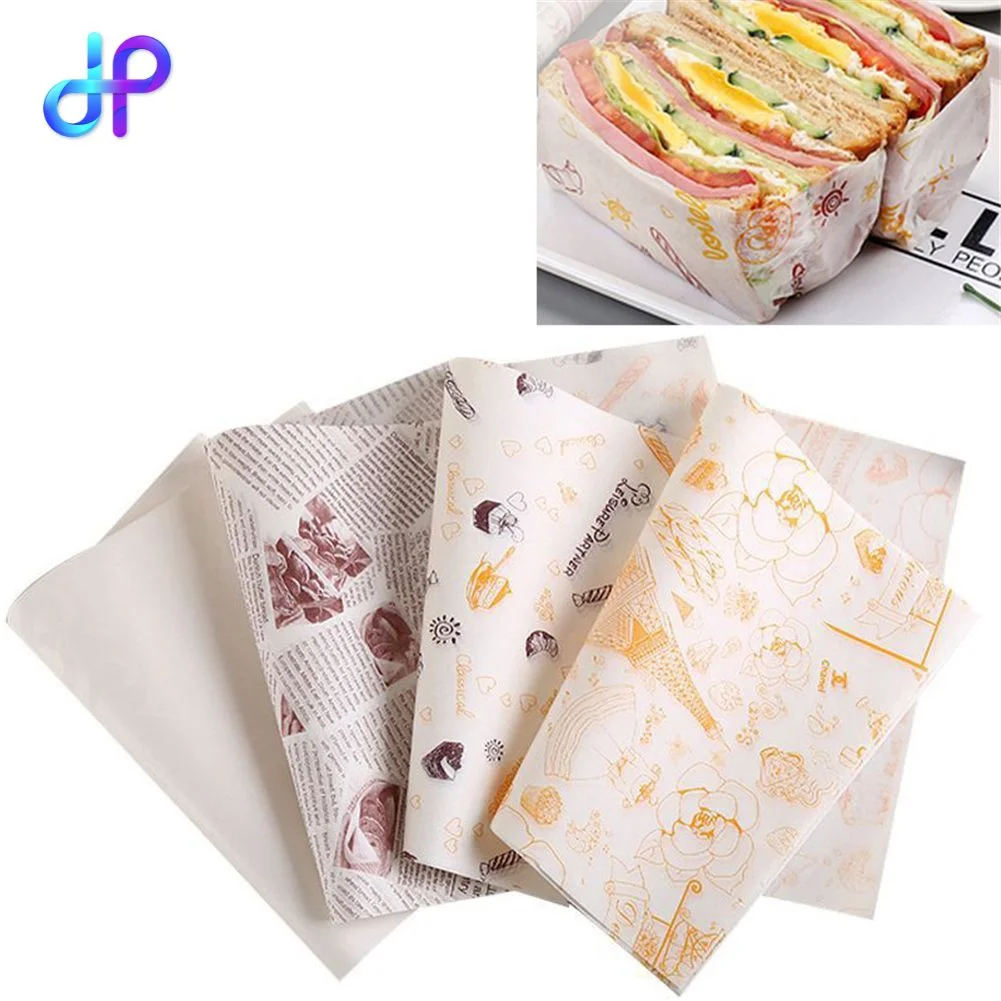
Printed Food Wrap makes an otherwise practical item a small, consistent marketing gesture at minimal additional expense when ordered in bulk. Every wrapped burger, every lined basket, each and every sandwich delivered over a counter is a branded impression that is perceived directly by the customer, at the moment he is most attentive to the product.
In a restaurant business where there are a host of other restaurants competing in the delivery and take-out industry, that visibility is of real value and in itself is not expensive. Even with already branded wrapping paper, the weekly wrap expenditure in most kitchens is already spent on wrapping paper, whether plain or printed, so switching to printed wrapping paper hardly alters the budget, but it does alter the recollection a customer has of the meal.
Various restaurant models place varying requirements on their wrapping papers, and by ensuring that the correct type is matched, most failures are avoided before their occurrence.
The relationships with the Food Paper Supplier are most important as soon as a restaurant grows beyond the occasional small orders. A supplier who repackages inconsistent lot batches of unknown origin brings erratic outcomes, inconsistencies that change shipment to shipment, which cannot be controlled or described by a single restaurant to the exasperated employees at the height of a rush.
Different restaurant models put different demands on their wrapping paper, and matching the right type avoids most failures before they happen.
| Restaurant Type | Primary Wrapping Need | Recommended Focus |
| Quick-service burger chains | Grease resistance, fast wrap speed | Sturdy, tear-resistant sheets |
| Sandwich and deli counters | Flexibility around irregular shapes | Sheets that fold cleanly without splitting |
| Delivery-heavy operations | Extended moisture and grease hold | Paper built for longer transit windows |
| Full-service dine-in with takeout option | Consistent branding across formats | Printed paper matching in-house presentation |
The advantage of working with a manufacturer who dictates production, as opposed to a distributor who essentially retails whatever happens to be on-hand, is maintaining consistency in specs between when a restaurant orders one case and when it restocks weekly at full volume. The Deli Paper Company constructs wholesale food wrapping paper with this very criterion, grease resistance, tearing strength, and print quality equalized to a real restaurant environment, instead of some arbitrary one-size-fits-all sheet.
Grease and moisture resistance tested to the actual hold times required in a restaurant.
Stability ensured on large and recurring orders of wholesale, not high initial sample only.
The turnaround time is the same as the actual reorder frequency, particularly at the start of a season.
Minimum order flexibility, which adapts to the real usage and not volume built for greater operation.
Frequently Asked Questions
Q: Is printed food wrap faster than food wrap in a rush in the kitchen?
A: No, branding is at the top of the paper and does not alter the speed at which staff can wrap an order.
Q: Does wholesale wrapping paper cost a lot less than small retail packages?
A: Yes, wholesale case volume purchase will lower the per-sheet prices significantly when compared to smaller retailing packages.
Q: Is it possible to use the same paper to take dine-in and delivery orders?
A: It may, but paper that is designed to last longer under moist and greasy conditions is more dependable for a longer delivery time.
Q: Do smaller restaurants have a minimum order?
A: No, order volume usually is adjusted to actual usage, and thus, smaller operations are not pressured to purchase more than is necessary.
Regular packaging comes as a safeguard to both the food and the brand behind the food, order after order. Deli Paper Company is a distributor of wholesale food wrapping paper to restaurants across the country. Place your order over the phone: 832-900-9245 or email sales@thedelipaper.com.
July 28, 2026
July 24, 2026
July 21, 2026
July 17, 2026
July 13, 2026