 The Deli
Paper
The Deli
Paper
Sorry, but nothing matched your search terms. Please try again with some different keywords.
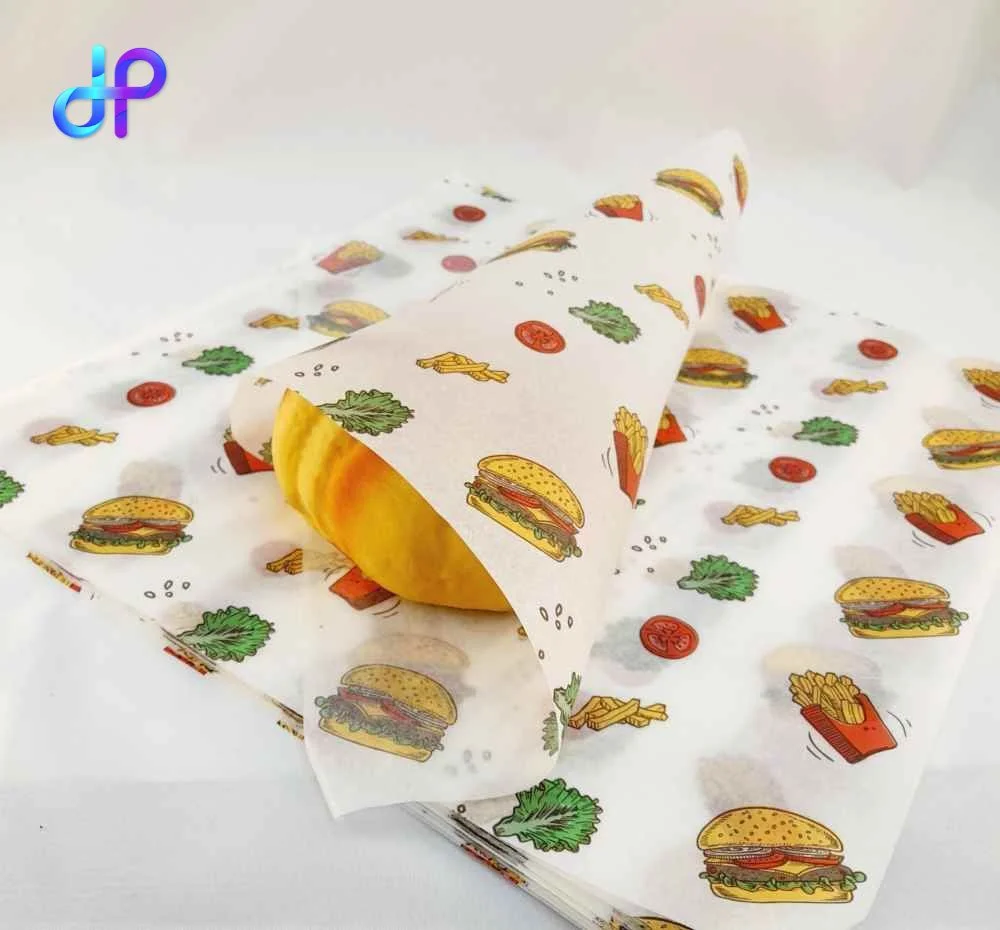
Go into any restaurant kitchen this year, and you'll see something that no diner ever considers: the packaging that keeps their order together is working harder than ever. Once upon a time, Food Packaging Paper was only a functional option. By 2026, it will no longer be a hidden part of a restaurant's brand, but a part of its identity that is clearly visible, both in the pictures a customer takes before biting into their food and across the counter.
One of the last impressions a customer has before deciding on a restaurant's meal is the packaging that wraps around a burger or lines the bottom of a basket of fries, and those who haven't gotten the message are beginning to lag behind those who have. That opinion is quick, and typically comes before the first bite, and it's based almost entirely on presentation.
Get a Free Quote:
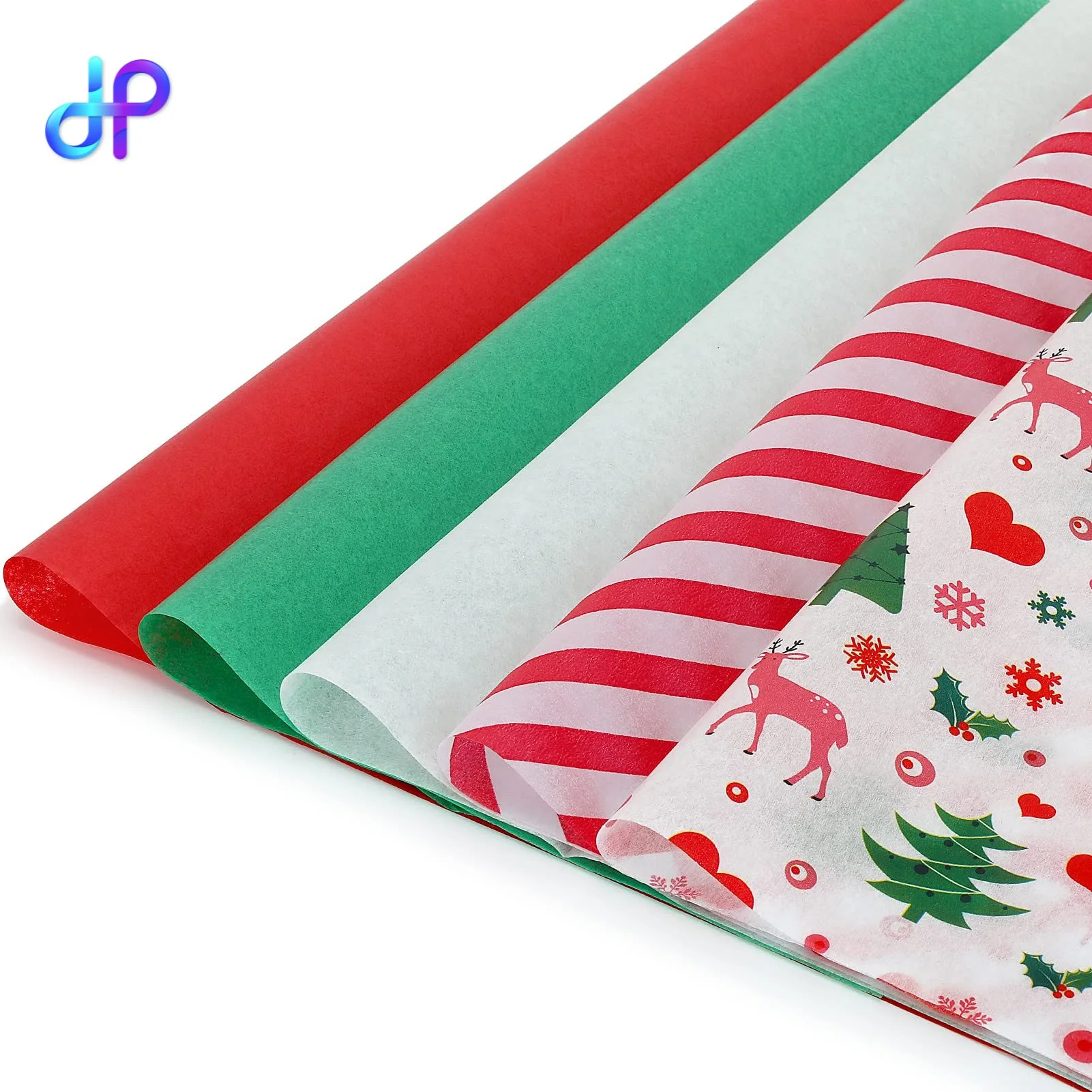
In food service, it has always been important to have grease resistance and durability. The difference is the amount of attention customers pay to the paper, not just if the food arrives in good shape. Whereas a sign on the wall or a line on a receipt can't compete, Printed Food Wrapping Paper is in the hands of the customer at the moment they're most engaged with the product.
Meanwhile, operators are faced with greater pressure than ever to maintain predictable packaging costs as volumes continue to grow. Labor is higher, supply chains are tighter than a few years ago, and margins in quick-service and casual dining haven't been generous enough to take surprises. That mix desire for improved branding with no increase in budget is what is driving the trends below.
Blank wrap is being phased out in favor of branded wrap. Restaurants that used to only use food wrap paper in their flagship stores are now making the switch to use it in all of their stores, as the price gap between plain and printed sheets is becoming smaller at wholesale volume. A once “high-end” decision is now standard practice.
Performance in grease and moisture is no longer taken for granted. Operators are demanding heat and grease resistance data from suppliers rather than just accepting durability claims, particularly when a single poor batch of paper stops a rush for months and becomes a story staff tells for months. Most operators are not aware of the cost of cleanup and reputation from a single failure during peak service.
There is a trend towards local sourcing. With longer lead times abroad, more restaurants are relying on U.S.-based packaging partners to meet their needs, especially when it comes to seasonal menu changes where timing is critical.
| Packaging Type | Best For | Key Consideration |
| Restaurant Wrapping Paper | Burgers, sandwiches, wrapped items | Needs strong grease resistance for direct contact |
| Food Wrap Paper | Basket liners, deli counters | Lighter weight, faster turnover |
| Custom Printed Sheets | Brand-focused quick-service concepts | Higher visibility, low added cost at wholesale volume |
| Wholesale Food Wrapping Paper | High-volume kitchens | Lowest per-sheet cost, requires bulk storage space |
Most kitchens end up using a mix of these rather than committing to just one, matching the paper to what's actually being wrapped rather than using a single sheet type for everything on the menu.
Budgeting for packaging gets easier once the numbers are laid out by order size rather than guessed at. The table below reflects general patterns operators report when comparing plain versus restaurant wrapping paper at different volume tiers.
| Order Volume | Typical Use Case | Cost Impact of Custom Print |
| Small | Single-location cafes, food trucks | Noticeable but manageable per-sheet increase |
| Medium | Multi-location restaurants | Cost gap narrows significantly |
| Large | Regional chains, franchise groups | Custom print cost nearly matches plain paper |
The pattern is consistent across suppliers: the larger the order, the smaller the price gap between blank and branded paper. That's part of why more mid-size restaurant groups are making the switch this year instead of waiting until they reach national scale.
Free Quote:
Not all printed food wrapping paper suppliers test the same paper in the same manner, and it becomes apparent during a dinner rush. There are a couple of things that it's good to verify rather than assuming they're included before switching suppliers or ordering a lot of product.
If a supplier cannot provide clear specifications during the initial consultation, they likely cannot support your needs during peak volume.
| Restaurant Type | Recommended Paper | Why It Fits? |
| Burger and sandwich shops | Restaurant Wrapping Paper | Handles direct grease contact during wrap and hold |
| Fried food and basket service | Food Wrap Paper | Lightweight liner absorbs less oil buildup. |
| Bakery-cafe hybrids | Custom Printed Sheets | Visible branding for display and to-go orders. |
| Multi-location chains | Wholesale Food Wrapping Paper | Consistent quality and cost control at scale. |
Different restaurant concepts put different demands on their packaging, and the right choice often depends more on what's being served than on budget alone.
Frequently Asked Questions
Q: Does the change to printed wrapping paper substantially increase packaging costs?
A: The cost of plain and custom-printed paper is typically not too significant to most restaurants when purchasing them in wholesale volume.
Q: What is the average time required for a custom food wrapping paper order?
A: While turnaround time depends on the supplier, domestic manufacturers are usually able to deliver custom print orders in a few weeks, as compared to overseas manufacturers.
Q: What is the lowest quantity of wholesale food wrapping paper?
A: Order sizes can often be adjusted to reflect the actual kitchen use, and smaller restaurants will not be required to purchase more than will be consumed during a season.
Q: Is it possible to have a single supplier for both the basket liners and wrapping paper?
A: Yes, most full-service paper suppliers have both weights and can arrange an order for a number of packaging requirements in a kitchen.
This year's restaurants that are doing well aren't necessarily the ones that are investing the most in packaging. They're the ones that are making it an experience for the customer rather than an expense in the background. A branded wrap for a to-go order, a liner that doesn't leak through after a full day of action, and a supplier that can deliver a print order before a menu hits the market- these little things equal a smoother-running kitchen and a brand that customers will remember.
If your restaurant is still using blank, unbranded paper, 2026 is a good year to make the switch. The Deli Paper Company specializes in custom-printed food wrapping paper, offering wholesale pricing and fast domestic turnarounds for restaurants across the country.
To place your order, please call 832-900-9245 or email sales@thedelipaper.com.
July 21, 2026
July 17, 2026
July 13, 2026
July 10, 2026
July 6, 2026