 The Deli
Paper
The Deli
Paper
Sorry, but nothing matched your search terms. Please try again with some different keywords.
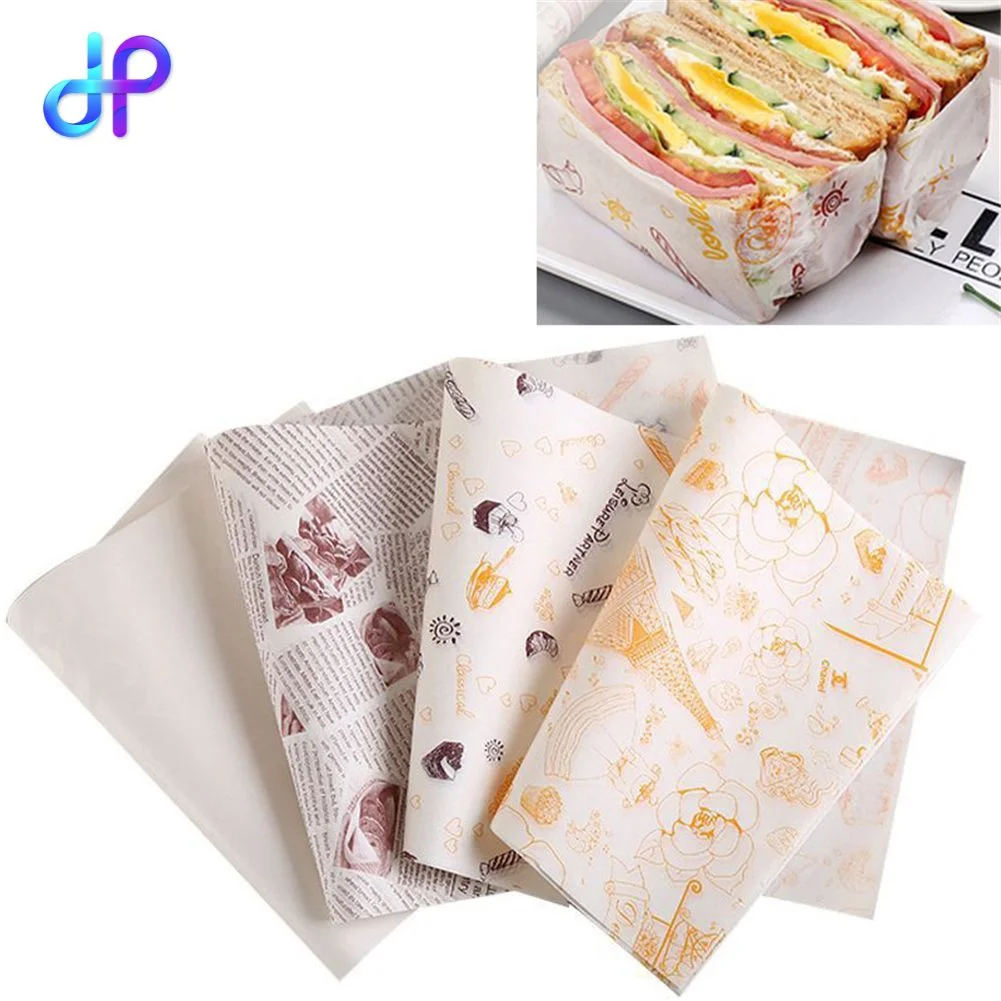
Great food deserves packaging that protects quality and strengthens your brand identity. Whether you operate a fast-food joint, a small sandwich shop, or a fine bakery, presentation is a key part of your business. When the meals are hot and fresh, and the wrapping paper isn’t greaseproof, it can tear easily, or be marred by the oil the customer gets on it before eating it.
Many restaurant owners choose ordinary wrapping paper because it is inexpensive and easy to find. However, low-quality paper often fails to handle hot and greasy foods, leading to leaks, tears, and a poor customer experience, and, consequently, they sometimes buy sheets that are not suitable for hot and greasy foods on their menu.
This results in many looking for the answers to questions such as: What is the best wrapping material for food? You’re not alone if you’re not sure where to start looking for grease-resistant wraps to keep the meal looking good while showcasing your branding. In this extensive buying guide, we will discuss exactly what types of custom food wrapping sheets are ideal for the most challenging of culinary uses, so you can serve up your treats in a beautiful manner without needing to worry about compromising the health or structural safety.
Get a Free Custom Quote:
There is a variety of food-grade paper sheets on the market, but not all can be adapted to the existing operational context. Let’s learn about the uncoated paper types, coating profiles, and how they are used as a wrapping based on the types of foods you are interested in wrapping with raw paper.
Due to the structural benefits that food-grade paper sheets contribute, they are commonly utilized across the entire hospitality industry. The following items are highlighted as a disadvantageous factor regarding hot food: Unlike plastic packaging, food-grade deli paper is safer for hot foods and offers a more sustainable solution for restaurants and bakeries. That boosts the risk of long-lasting, serious health problems. As well as being safer for consumer health, the Wholesale deli wrap paper are more environmentally-friendly than plastic sheets or low-quality wax wraps. Food products, where special custom wraps are often considered, include:
The main reason for the use of targeted coatings is to ensure that hands are not exposed to the oil during meals, and also minimise the risk of early tearing. Raw paper sheets are light and delicate by nature, and upon applying special coatings, their performance in reality is nearly double. Let’s explore some of the most popular coatings for custom-printed food packaging:
| Coatings | Technical Characteristics | Optimal Culinary Use Cases |
| Dry Wax Layer | A thin layer of food-safe wax is driven deep into the paper fibers to ensure excellent moisture and leakage resistance. | Wrapping hot breakfast sandwiches, bagels, and everyday sides. |
| Polylactic Acid (PLA) | Organically sourced substance derived from cornstarch, serving as a highly sustainable, environmentally friendly choice. | Eco-conscious restaurants focused on 100% compostable operations. |
| Natural Greaseproof | Created without added plastic films, using highly compacted fibers that naturally block oils. | Lining serving baskets for dry pastries, cookies, and fries. |
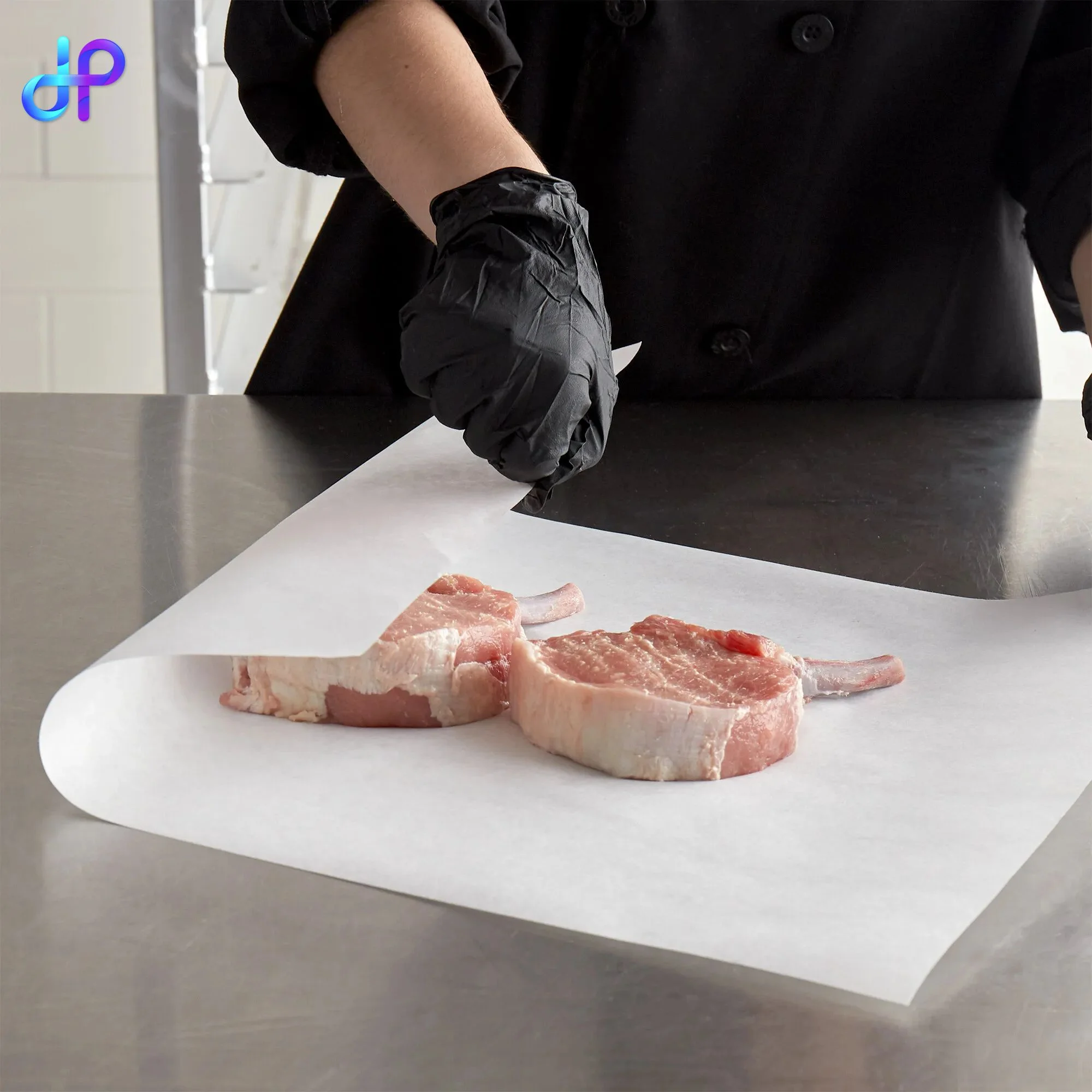
| Paraffin Treatment | Developing a heavy barrier against moisture, oil, and liquid condensation, leading to increased durability. | Cold cuts, butcher counter wraps, and raw food transport. |
The paper thickness and the dimensions of the food sheets are different, but not all grease-resistant deli paper are used for anything. Some of them are extremely durable, and some are extremely breathable. The selection of the appropriate option is the key to the success of any commercial food business. If the wrong type is chosen, they may fail structurally, causing an undesirable appearance and oil stains. Below are the prominent configurations famous in the food industry:
| Category | Sheet Size Options | Heat & Microwave Safe | Functional Strengths |
| Kraft Deli Paper | Small (8" \times 8")
Medium (12" \times 12")
Large (15" \times 15")
| Yes | Made of natural wood fibers, making them the most suitable choice for rustic presentation. A thin barrier works best for maintaining structural integrity and preventing leakage problems. |
| Bleached White Sheets | Small (10" \times 10")
Medium (12" \times 12")
Large (14" \times 14")
| Yes | Lightweight sheets made from bright paperboard stock. High-contrast surfaces help custom prints pop, helping fresh food look clean without contents leaking. |
| Dual-Performance Wraps | Small (9" \times 12")
Medium (12" \times 15")
Large (18" \times 24") | Yes | Consist of treated fibers providing advanced heat insulation. Whether you have interest in using them for hot tacos or greasy barbecue baskets, they provide excellent portability. |
The actual performance of food packaging is more related to the packaging manufacturing process. There are a ton of papers in the market; however, not everyone can ensure that grease does not get through while handling hot food. The commercial kitchen’s ease allows professional packaging manufacturers to label their products clearly based on compliance. The following is a list of materials used in low-grade wrapping paper, for which the quality is not desirable to use near hot foods:
Most industrial waxes are labeled as not suitable for use under the conditions of extreme heat or high-temperature microwave processing. Low-grade coatings melt quickly in direct thermal exposure and remain as part of the food, resulting in both structural failure and irreversible chemical damage. Always make sure that your wraps have a special high-temperature dry wax integration.
The deli paper sheets is just one other branding asset, and it presents a great promotional canvas for brands to make sure their presence in the market. Inks and color dyes are widely used for this purpose to provide visual appeal. Unfortunately, low-grade chemical inks begin to leach when they come into contact with hot steam and oils, and thus, they immediately contaminate the food. Custom printed items are always made from non-toxic, food-safe soy inks.
In some processing sets, a normal paper sheet is coated with heavy metallic foil to give an attractive look. This layer is also efficient at reflecting heat, and this is a problem if it is wrapped around something and placed in a microwave oven to heat. Electromagnetic waves are reflected to the source by the reflective surface of the foil, causing a short circuit burst.
When you’re checking the temperatures of your kitchen personnel, here are the safe boundary temperatures to use when preparing your favorite menu items:
Frequently Asked Questions (FAQs) available.
Q: Is custom-printed deli paper microwave-safe?
A: Yes. Products have a natural, greaseproof, and dry wax so customers can microwave their meals without fear of paper burning or tearing.
Q: Would the customized printing inks used be safe to come into contact with food?
A: Absolutely. Deli Paper is printed with 100% food safe, non-toxic inks which will not bleed, leach or taste into hot food.
Free Custom Quote:
Choosing the right custom deli paper does not have to be complicated when you understand the materials, coatings, and sizes available. Once you are done reading this exhaustive buying guide, we hope you will never again find yourself in the situation of ordering the wrong sizes of inventory again, as we have now provided you with the technical breakdown of the topic.
You’ll get the best answers from products that have proven greaseproof metrics and from a manufacturer that has no toxic chemical inks in production lines. Customers’ health and reputation are precious property, do not damage them because of a lack of technical knowledge or material negligence.
Looking for a new way to present your meal? Get free design advice and enjoy your premium factory direct rate quote now. Just reach out to our commercial production department via sales@thedelipaper.com and/or contact our strategy team at 832-900-9245.
PREVIOUS POST
NEXT POST
October 16, 2026
October 13, 2026
September 25, 2026
September 18, 2026
September 15, 2026