 The Deli
Paper
The Deli
Paper
Sorry, but nothing matched your search terms. Please try again with some different keywords.
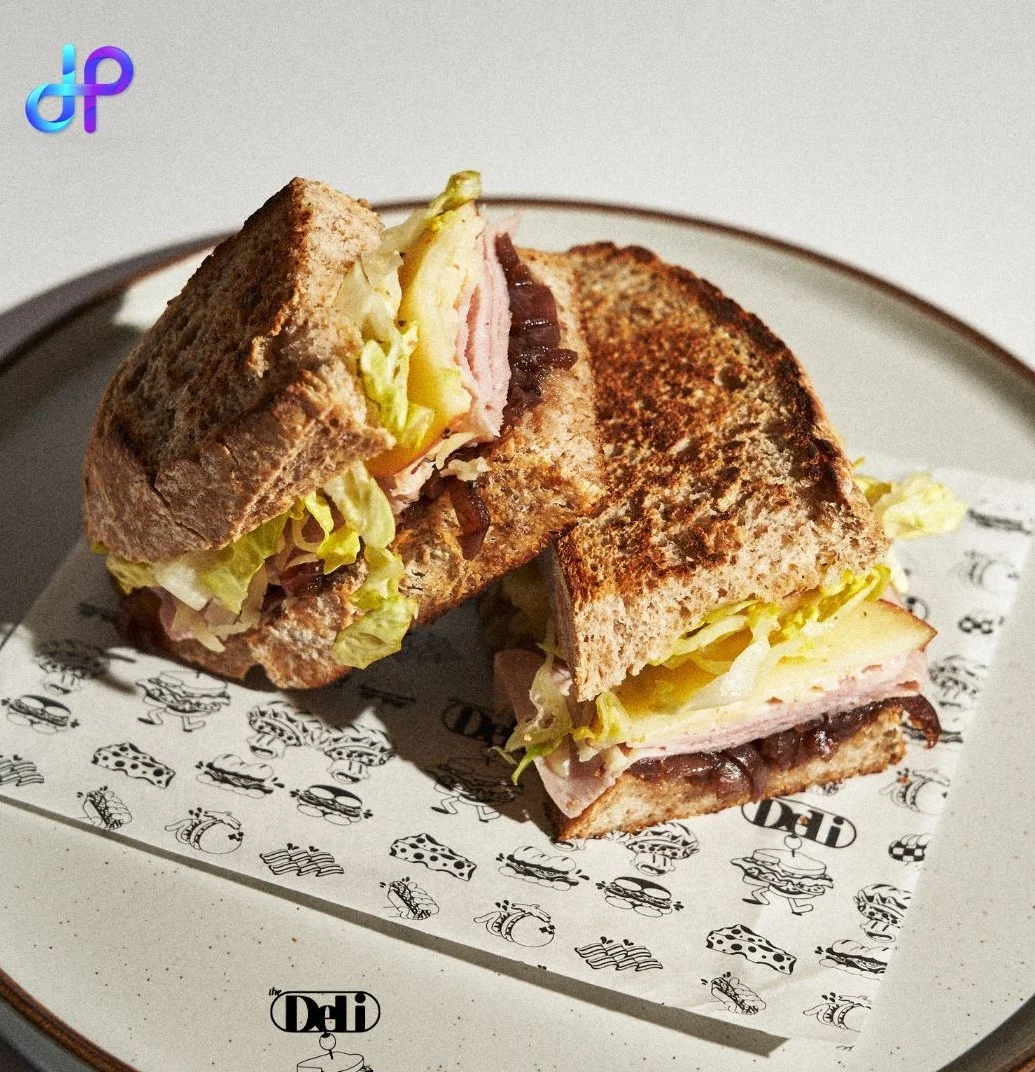
The wrap is now the least controllable part of a kitchen before an order is delivered, thanks to delivery apps. Everything that happens to that food after it’s put in a bag on a bike or in a car is going to depend on what it was packaged in 10 minutes prior. Unassuming, untrendy food wrapping paper quietly does its job here, it contains grease, controls steam, and retains shape well after the kitchen is on to the next ticket. When restaurants take it for granted, they discover the hard way, typically when a diner complains in a review that the meal arrived cold, soggy, or crushed.
Food wrapping paper is a generic name for paper that is grease-resistant, food-safe, and is used to wrap handheld food for service or transport. There are a couple of related items under that umbrella: Deli wrapping paper for counter displays, sandwich wrapping paper that is cut to individual portions, and thicker food packaging paper designed to withstand hot, oily foods without tearing. The difference from a plain paper bag is treatment; this paper will not bleed through when it comes into contact with grease, and won’t go soft or transparent in minutes when it is exposed to steam.
There are two arguments for wrapping paper for food; most operators follow them independently and should consider them jointly. The functional portion is to maintain the order: grease containment, moisture control, and the ability to retain shape during use in a car or during a stack of delivery bags. The marketing kicks in after the wrap is sold into the hands of the customer, on their desk, or when they post a picture of the wrap before eating.
The second portion is quite easy to undervalue. A branded wrap will not cost much more than a regular wrap to print, and unlike the menu insert or social post that actually has to get seen, it is with every order at no extra distribution cost.
At volume, deli food paper is a significant cost savings over a clamshell or rigid container, especially on margins. It also decreases a second, less noticeable cost: remade or refunded orders due to the food arriving in a mess, which occurs more frequently in a wrap than most owners are aware of, because they were not adequately specified.
The question of paper wrap for food is determined by weight, coating, and cut size, which determine if the product will survive the ten-minute delivery run or fail before it gets to the door. Please check these prior to ordering by the case:
| Spec | Details |
| Material | Kraft, white (bleached), or pink/peach butcher paper |
| GSM / Caliper | 30–35 GSM for light items, 40–50 GSM for hot, greasy foods |
| Coating | Grease-resistant treatment, smooth or quilted finish |
| Sizes | 12"x12", 15"x15", custom cut sizes by menu item |
| Finish | Matte kraft, bright white, or quilted texture |
| Food-Safety Compliance | FDA-compliant, direct food contact approved |
| MOQ | Low minimums, wholesale pricing on bulk rolls |
Paper wrap for food isn’t only a restaurant product. It’s a part of every form of food exchange anywhere, anytime, and with anyone. Typically, the distribution of users is as follows per segment:
| Industry | Typical Use | Recommended Spec |
| Restaurants & delivery | Burgers, wraps, sandwiches for takeout | Kraft or white, 35–40 GSM, custom printed |
| Delis & sandwich shops | Counter wrap, deli presentation | Deli wrapping paper, 30–35 GSM |
| Food trucks & caterers | Wrap for hot, on-the-go items | Heavy duty, 40–50 GSM |
| Bakeries | Wrapping grab-and-go pastries | Lightweight, 30 GSM |
| Retail & food brands | Branded wrap for packaged handheld goods | Custom printed, any GSM |
Your own sandwich wrapping paper to match your kitchen’s size and your branding and colors on it, all from the Deli Paper. MOQ tiers start from small initial orders from a single restaurant to orders of pallets from multi-unit operators. The standard sizes are quicker to ship; the custom sizes and full-color printing are a simple extension of the first run, and the same setup is used throughout when ordering reprints.
Determine the weight based on the item, not the category on the menu. A dry pastry will suffice for a lighter 30 GSM sheet, but any hot, oily foods such as fried foods, burgers, and fried chicken will need a heavier 40-50 GSM. It is a matter of positioning, kraft is rustic or sustainable; white makes a printed logo stand out more.
Delivery introduces a factor that diners don’t have to face: When food is in transit for 15 or 20 minutes, it requires deli wrapping paper that will control steam and not allow it to become so moist that the food becomes soft, a different failure mode than grease bleed-through and requires its own consideration.
The most common error: one wrap for all items on the menu. A burger and a wrap sandwich don’t have the same fat content or wetness, and a single “good enough” rating typically falls short on both.
This eliminates distributor markup and the uncertainty of whether the food wrap bought will be the same as the sample that was first approved by the Deli Paper. The same quality control is used for each batch prior to shipping, and low MOQs mean that a single restaurant can order custom printed wrap to try and not have to commit to a pallet.
With a kitchen in the United States, orders are shipped quickly from the factories, and a kitchen that goes low during the delivery surge is not waiting for an overseas container. The whole printing process is completed under their roof from first proofs to final prints, and a real person is there to speak with if there is any spec that needs adjusting before it goes to print.
Frequently Asked Questions
Q: Is food wrapping paper still good for delivery – not just dine-in?
A: Yes, if the weight corresponds to the object. A heavier GSM is required for a delivery-length trip with hot, greasy food.
Q: What’s the difference between food wrapping paper and deli paper?
A: One kind of food wrapping paper is the lighter and smaller paper that is used for counter displays rather than for delivery, which is known as deli paper.
Q: Are wrapping papers for food compostable?
A: Depending on the paper and the rules of the composting facility, many of the uncoated grades are compostable.
Q: Which GSM is ideal for fried foods?
A: Fried foods will typically require 40-50 GSM for grease bleed-through resistance over the extended period to the customer.
Q: Is there a custom printed food wrapping paper?
A: Yes, your logo and colours, low MOQs, and quick turnaround of proofs and production runs from the USA.
Tired of losing delivery orders due to inability to catch up with packaging? Order a sample and a free quote of food wrapping paper from The Deli Paper today. For wholesale or custom print pricing within 1 business day, please call 832-900-9245 or email sales@thedelipaper.com. Check out the entire collection at the deli paper.
September 25, 2026
September 18, 2026
September 15, 2026

September 11, 2026
September 7, 2026