 The Deli
Paper
Sorry, but nothing matched your search terms. Please try again with some different keywords.
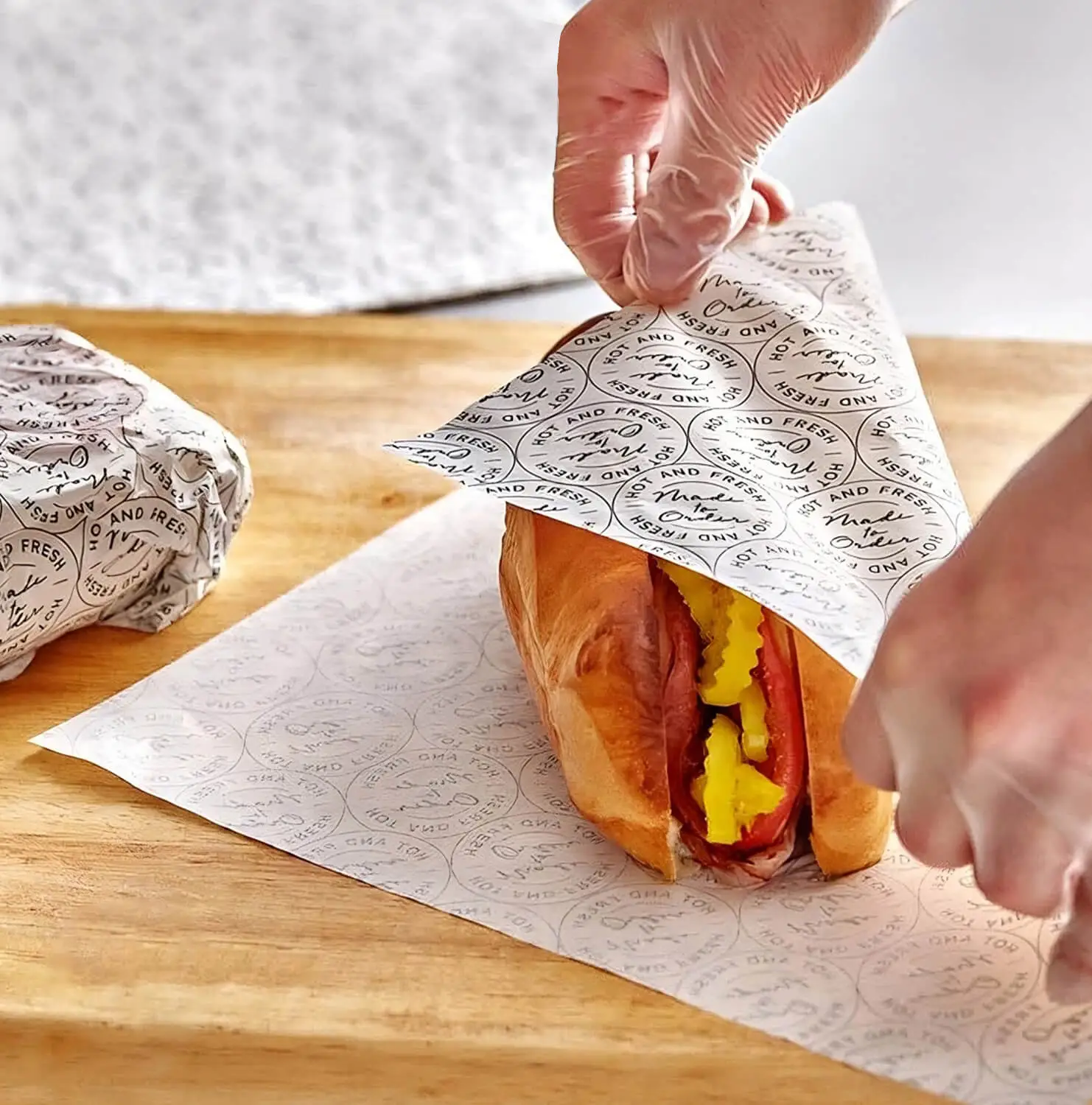
An empty counter is an anonymous sandwich when it’s on plain paper. The customer then eats it, forgets where she came from, and goes to another place for lunch next week. That’s where custom sandwich paper comes in handy, and it does the job; it holds the grease, stops the bread from becoming soft, and folds neatly around a hot or cold filling.
This guide shows you the sizes, GSM, printing techniques, and quantities you need to consider when purchasing. It’s designed for owners and buyers who demand details, not salesmanship. The Deli Paper’s numbers below are based on the actual production of custom food wrapping paper and not from a reseller catalogue.
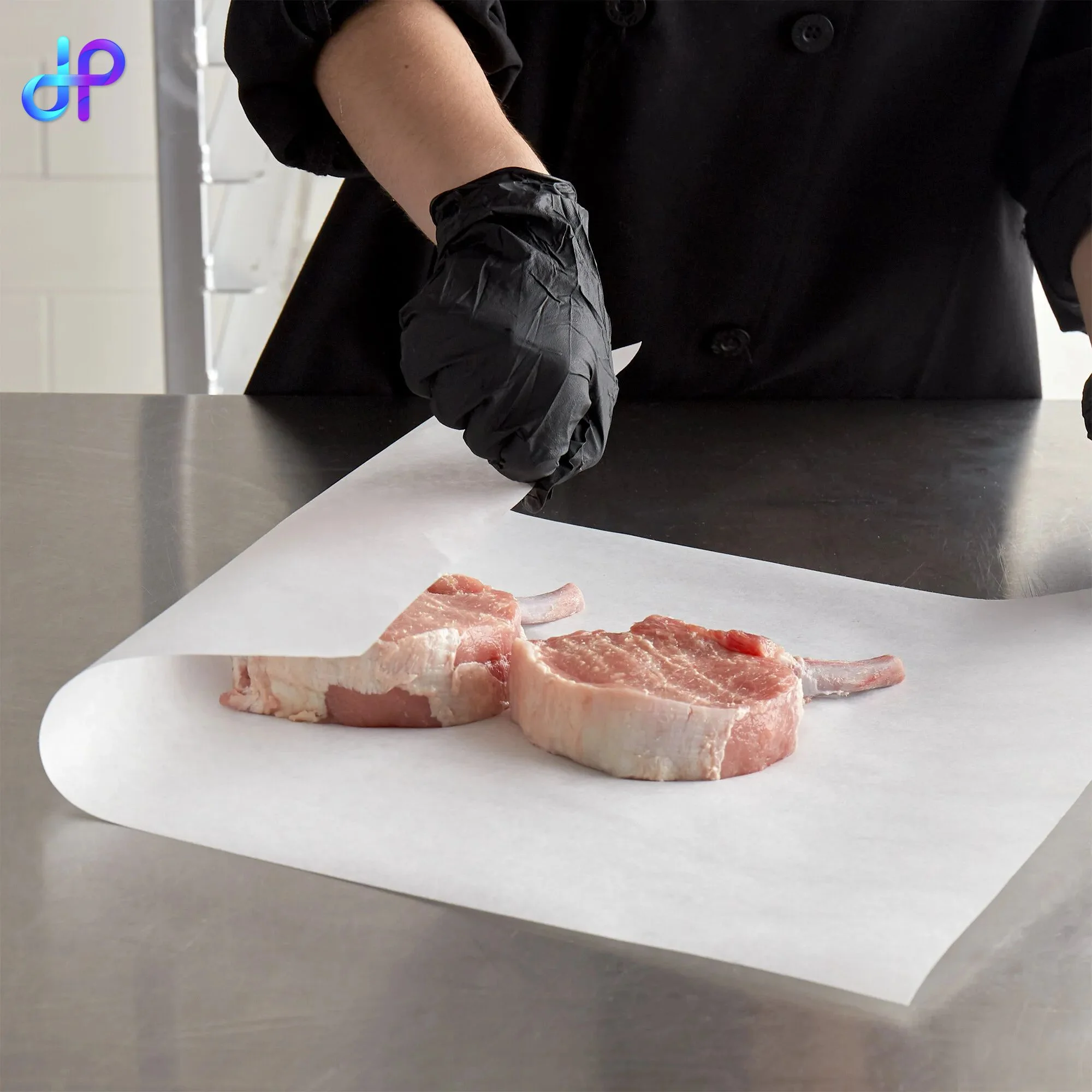
Food wrapping paper is a food-grade paper about 30 to 45GSM in thickness, used to wrap a sandwich, sub, or burger and printed with your logo/pattern. Made of kraft or white paper coated with a grease-resistant finish, oil from meat, cheese, and sauce is prevented from reaching the customer’s hands.
It’s available in sheets or as interfolded stacks for quick counter service. Sheets are cut based on the size of the product; for example, a 6” sub and a 12” foot-long sub will require different cuts.
They switch because custom printed sandwich paper does two things for the price of one. It not only safeguards the food but also places your brand in their hands at lunchtime. The additional cost per sheet is minimal, typically just a couple of cents above plain stock at volume.
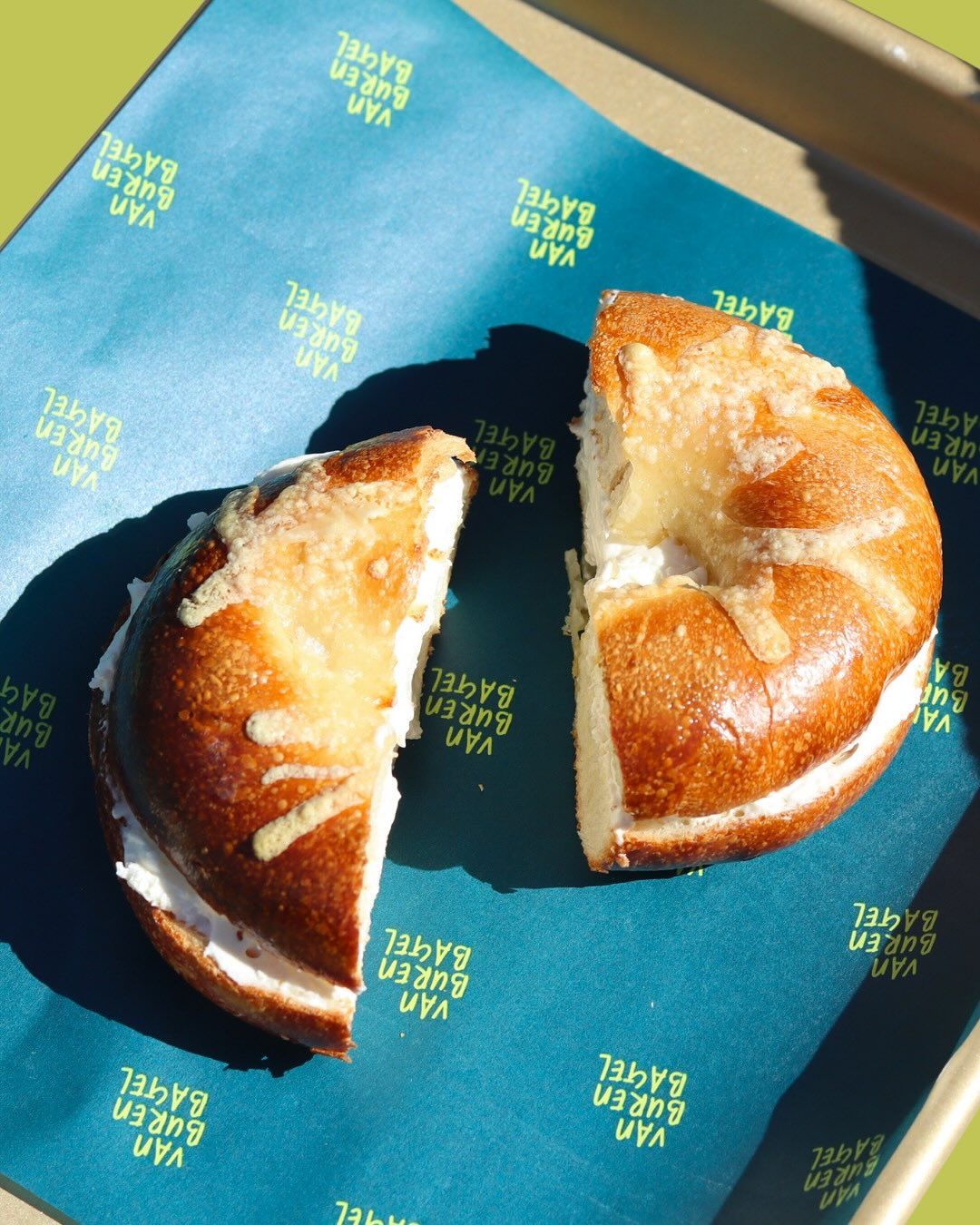
Customers take photos of their favourite food items. In those photos, you will see a wrapped-up sandwich with a logo, and you will have free reach.
There is also reduced complaining due to grease resistance. A thin, unwashed sheet of paper becomes soiled in no time at all, and a dirty wrap is like a messy kitchen.
Then there is cost. A reduced reseller margin when you purchase direct from the manufacturer and a single sheet can be used for multiple menu items, which means less stock. The answer to the question that more buyers are now asking about packaging is uncoated kraft that recycles with regular paper.
Use the right size match sheet for the bulk item in your menu and compare GSM and coating to the fattest filling. Most sandwich shops end up on 12 x 12 or 15 x 15 at 35 to 40 GSM and then switch to 40 to 45 GSM with burgers and fried fillings.
| Specification | Typical Range | What It Means for You |
| Material | Natural kraft or bleached white | Kraft looks rustic and low-cost. White gives sharper, brighter print colours |
| GSM | 30 to 45 | 30 to 35 for cold sandwiches. 38 to 45 for hot, oily or heavy fillings. |
| Coating | Grease-resistant, silicone or wax-free options | Choose by filling. Wax-free suits customers who avoid wax. |
| Sizes | 10 x 10, 12 x 12, 15 x 15, 12 x 16 in, custom cuts | Choose by filling. Wax-free suits customers who avoid wax. |
| Format | Flat pre-cut sheets or interfold | Interfold dispenses one sheet at a time for faster service. |
| 1 to 4 colours, flexographic, food-safe ink | Single-colour logos print fastest and cost least. | |
| Compliance | FDA food-contact compliant, low-migration ink | Ask for the compliance statement before you order. |
It is used by any food business that passes any wrapped item to someone else. It is ordered by delis, sub-shops, cafes, burger joints, food trucks, bakeries, and caterers, all of whom order it, but with just a few different specifications.
| Business Type | Typical Use | Recommended Spec |
| Delis and sub shops | Cold cuts, footlongs | 15 x 15 in, 35 GSM, one-colour logo |
| Burger and fried food | Hot burgers, chicken sandwiches | 12 x 12 in, 40 to 45 GSM, grease-resistant |
| Cafes and bakeries | Pastries, panini, cookies | 10 x 10 in, 30 to 35 GSM, kraft |
| Food trucks | Fast handheld wraps | Pre-cut or interfold, 38 GSM |
| Caterers | Boxed lunches, platters | Mixed sizes, plain or branded |
The typical process for printing sandwich paper is conventional flexographic printing, which is high-speed, can handle large quantities, and has stable printing costs. Simple, one color in a corner or center. This keeps the cost and “turnaround” time down.
Repeat patterns that are full width are inkier and more interesting, but they require greater care in registration. Request a show before the whole run. Color changes from screen to paper, and a proof shields you from a 20,000-sheet shock.
Turnaround will vary depending on artwork approval and quantity of runs. The lead time for standard production is a number that should be verified with your account manager when asking for a quote.
MOQ is the minimum quantity that a sandwich paper manufacturers will print. In custom work, it is typically determined by the set-up of the press and not the paper, hence the higher minimum with printed sheets compared to plain stock.
There are low MOQ tiers because a one-location shop doesn’t need to purchase a year of paper at a time. Schedule deliveries in advance according to actual usage.
First, test the paper for 30 minutes with your fattest piece and then use it. If oils are seeping through, increase the GSM or coating. After that, fold and see if the sheet tears at the corners.
The number one error made is purchasing on price per sheet only. Thin, consistent stock has a small savings opportunity per box, and a larger expense in re-made orders and complaints.
Also don’t automatically go for the biggest size, either. An oversized sheet wastes paper and appears unappealing around a small sandwich.
The people making the sheets are the Deli Paper manufacturer and are not a reseller. This equates to factory pricing, checking coating and print quality before shipping, and wholesale rates that start from low MOQs.
Available for order from US-based production, custom printing is available on kraft or white stock in your brand colours. Reorders are equal to the first wrap, maintaining a consistent wrap throughout locations.
FAQs
Q: Is custom sandwich paper food safe?
A: When it’s printed with low-migration ink and constructed of food-contact-grade paper. Check with your supplier for FDA compliance before you place your order.
Q: Which is better to print on, kraft or white paper?
A: White will enhance colors and details. Kraft is a bit more affordable when it comes to rustic style and single-color logos.
Q: What is the time frame for custom printing?
A:This will be subject to artwork approval and run size. The lead time will be specified in your quote.
Looking to brand all your sandwiches? To get a free quote on size, print, and volume from The Deli Paper, call 832-900-9245 or email sales@thedelipaper.com.
October 20, 2026
October 16, 2026
October 13, 2026
September 25, 2026
September 18, 2026