 The Deli
Paper
The Deli
Paper
Sorry, but nothing matched your search terms. Please try again with some different keywords.
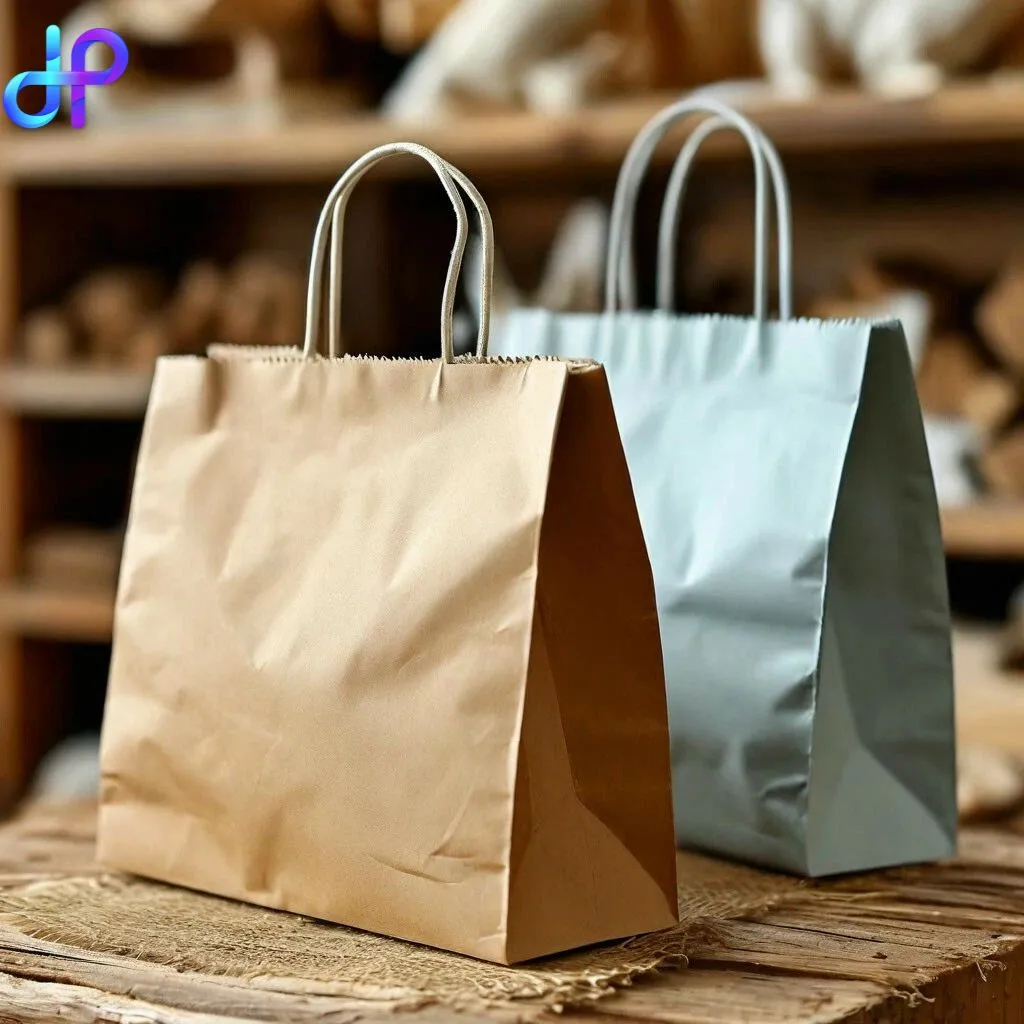
This tear-at-the-handle takeout bag costs a restaurant a lot more than the bag itself. Not only is the order spilled, but the refund and one-star review goes to your business. Thin bags, without any brand, do the same thing for retailers, except that the problem is less obvious. Paper bags can solve this issue when called for, and can be used with paper weight for your heaviest order and grease resistance optional for your hottest food orders.
A bag constructed in this manner will not require a second bag for it and will not be bound by the plastic bag ban imposed by many cities and states in the United States. Also printed with your logo, it's a marketing tool that promotes your brand every time you leave the house.
A brown paper bag is one of four constructions for a business buyer and each is fit to a specific job.
SOS (self-opening sack) bags are flat, rectangular, and propped up on the counter as staff packs it. They're the benchmark for takeout, bakery and grocery orders.
After the sale, your logo is kraft paper bags, which will be displayed as they walk out and then again when the customer reuses the bag. You can pay for that exposure only once, inside the unit price of the bag.
The flat bottomed design of an SOS bag will help to keep the containers upright and less prone to tipping over during transit. Paper will allow the steam to get out and grease-resistant paper will not bleed through to keep fried food crisper than if sealed in plastic bag.
There is a saving on the spec as paper is more expensive per bag than plastic. Double bagging stops at a bag that can handle your heaviest order. Narrowing to 2 or 3 standard sizes will increase volume per size, which will decrease the price of per size.
Most curbside recycling programs take uncoated custom paper bags, which can be composted, but both plastic lamination and film windows negate the ability to compost. For customers who inquire about sourcing, it is possible to indicate that the paper used is recycled content or FSC paper.
Order carriers may be handled by one person and a sturdy bag indicates care before unpacking of food. A folded top with a branded sticker will indicate to the receiver if the paper bags with handles was opened in transit.
Paper is more expensive than plastic carryout bags, and less resistant to water, but it is more stable and subject to regulation and recycling.
Factor
| Paper bags
| Plastic bags |
| Unit cost | Higher | Lower |
Base
| Flat base keeps containers upright
| Soft base lets containers tip
|
Hot, greasy food
| Needs grease-resistant paper; lets steam escape
| No grease staining; traps steam
|
| Rain and spills | Weakens when soaked
| Unaffected by water
|
Regulation
| Generally allowed where plastic carryout bags are banned, sometimes with a per-bag fee
| Banned or charged for in many US states and cities |
After use
| Recyclable and compostable when uncoated
| Rarely accepted in curbside recycling
|
There are six specs that determine a paper shopping bags performance and price, so make sure your suppliers are quoting on the same list of specs.
When requesting a quote, specify your expected annual usage, minimums and unit prices vary.
Paper bags are used in a variety of industries, including those listed below:
Spec
| Common options | What it means for your order |
Material
| Virgin brown kraft, bleached white kraft, recycled kraft, grease-resistant paper, coated art paper | Virgin kraft has longer fibers than recycled kraft, so it resists tearing better. White kraft and coated paper show brand colors more accurately than brown. |
Paper weight (GSM)
| Flat bags 35 to 50; SOS bags 50 to 110, handle bags 70 to 150; laminated boutique bags 150 to 250
| US suppliers often quote basis weight instead: 40 lb kraft is about 65 GSM and 60 lb is about 98 GSM.
|
Printing
| Flexographic (usually 1 to 4 colors), offset, digital, hot foil stamping
| Flexo has the lowest unit cost at volume but needs a plate for each color. Digital skips plates and suits short runs.
|
Sizes
| SOS bags are in custom sizes | Sizes read width x gusset x height. Size to your largest container and check that its footprint fits the base. |
Finishes
| Uncoated, aqueous coating, matte or gloss lamination, spot UV, embossing, window cutouts | Lamination adds shine and wipe resistance but makes the bag harder to recycle.
|
MOQ
| Set by bag size and print method | Custom sizes need their own machine setup, so their minimums run higher than printed stock sizes.
|
Food sector companies purchase paper bags for grease management and bases, retail and cosmetic companies purchase for presentation.
Deli paper choose the size of the bag according to the largest order you make regularly. Weigh that order, determine the largest container, and select the bag type and paper weight to transport it without need for an additional bag.
Industry
| Typical bag | Spec to ask for |
| Restaurants | SOS bags and flat handle takeout bags
| PFAS-free grease resistance; handles rated for your largest order |
| Bakeries | Flat bags, small SOS bags, window bags
| Grease resistance for pastries, white kraft for a clean look
|
| Retail | Twisted handle kraft shopping bags | A gusset deep enough for boxed items; reinforced handle patches
|
| Cosmetics | Small white or black boutique bags with rope or ribbon handles
| Matte lamination, foil stamping, exact brand color match
|
Food brands
| Printed SOS bags for snacks, popcorn, candy and baked goods
| Food-contact paper, a grease-resistant lining, inks kept to the outside |
Size the bag to your heaviest regular order. Weigh that order, measure its largest container, and pick the bag type and paper weight that carry it without a second bag.
Buying Tips
1.For any bag intended for hot or oily food, request in writing to be grease resistant without PFAS. PFAS are prohibited as additives in food packaging in California, New York and other states.
2. Approve colours from a printed sample on the actual paper, colours are darker when printed on brown kraft than screen.
3. Inquire about the use of a reinforcing patch under any handles that are glued. The joint which connects the handle to the bag is a frequent failure point on loaded bags.
4. Obtain the lead time in writing and arrive at the reorder point about this value.
Using high-quality the deli paper is a smart strategy which can help address key delivery issues, meet plastic bag legislation, and turn simple orders into mobile brand ads. Restaurants and retailers can avoid double-bagging expenses and reduce the risk of refunds and bad reviews due to spills by using appropriate bag sizes, using grease-resistant, PFAS-free bags, and designing handles to make heavy bags easier to handle.
From stylish flat bottom SOS bags for hot food takeout to greaseproof pastry sleeves or luxurious rope-handle boutique packaging, customised paper bags add to the overall experience of an unboxing moment while also supporting your eco-friendly resolve. For a glimpse of custom packaging solutions contact our expert team today by phone (832) 900-9245 or email sales@thedelipaper.com.
October 13, 2026
September 25, 2026
September 18, 2026
September 15, 2026

September 11, 2026